Essential Guidance for Navigating Arrest Warrant Issues
Understanding Arrest Warrant Issues: A Comprehensive Guide
If you find yourself confronted with legal complications stemming from an arrest warrant, it can be a daunting experience. Whether it’s for a minor offense or a serious charge, knowing how to navigate the situation is vital. For those who are unsure where to start, help with arrest warrant issues can provide valuable resources and assistance.
What is an Arrest Warrant?
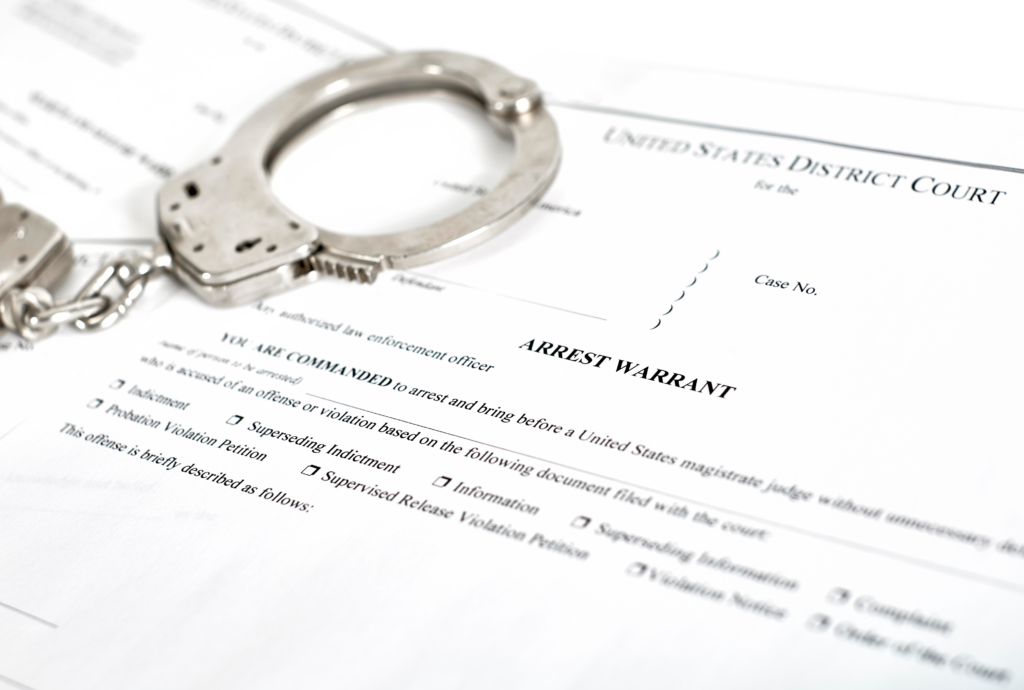
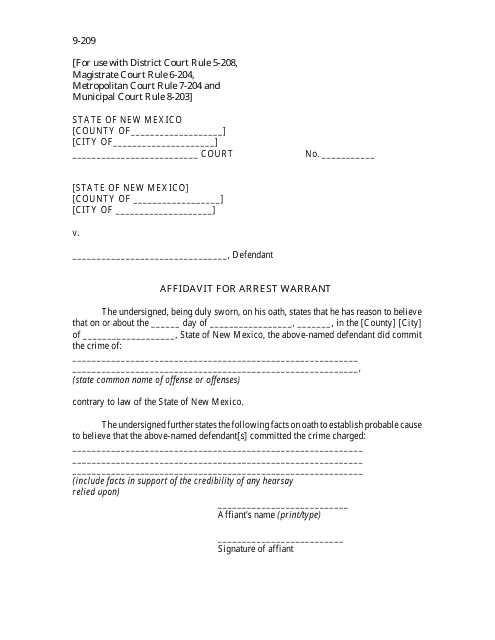
An arrest warrant is a legal document issued by a judge or magistrate that authorizes law enforcement to arrest an individual. It is typically based on probable cause that the person has committed a crime. Arrest warrants must be specific about the individual to be arrested, the nature of the crime, and must be backed by supporting evidence presented to the judge.
Common Reasons for Arrest Warrants
There are various reasons an arrest warrant may be issued, including but not limited to:
- Failure to appear in court.
- Violation of probation or parole conditions.
- Outstanding criminal charges or indictments.
- Accusations of new crimes, such as theft or assault.
- Failure to pay court-ordered fines or child support.
How to Identify if There Is an Arrest Warrant Issued Against You
Finding out whether there is an arrest warrant in your name can be critical. Here are some ways to determine if you have a warrant:
- Check your local court’s online database. Many jurisdictions have public access for warrant information.
- Contact a criminal defense attorney. They can perform a warrant check on your behalf and provide you with legal advice.
- Visit your local police department and inquire directly about any warrants.
- Use online resources or background check services, keeping in mind that they may not always be comprehensive.
What to Do if You Discover an Arrest Warrant
Discovering there is an arrest warrant against you can be frightening, but taking swift and informed action is essential. Here are the steps you should consider taking:
- Stay Calm: Panic can lead to poor decision-making. Take a moment to assess the situation.
- Consult a Lawyer: Engaging a criminal defense attorney is one of the most important steps you can make. They can advise you on your rights and possible defenses.
- Know Your Charges: Understanding the nature of the warrant and the underlying charges is critical for your defense strategy.
- Consider Extradition Issues: If the warrant was issued in another state or country, be aware of potential extradition processes.
- Plan Your Surrender: If necessary, plan a voluntary surrender to law enforcement with your attorney’s guidance, as it may mitigate potential penalties.
Your Rights During Arrest
When an arrest warrant is executed, you have certain rights, including:
- The right to remain silent.
- The right to an attorney.
- The right to be informed of the charges against you.
- The right to not be subjected to excessive force during the arrest.
Pursuing Legal Options After Arrest
After being arrested, you still have options for defending yourself. Depending on your circumstances, this might include:
- Filing a Motion to Quash the Warrant: If you believe the warrant was improperly issued, your attorney may file a motion to quash.
- Negotiating Plea Deals: In some cases, your attorney can negotiate with the prosecution for reduced charges or penalties.
- Preparing for Trial: If the case goes to trial, work closely with your attorney to prepare your defense and gather necessary evidence.
Preventing Future Arrest Warrants
To avoid the issuance of future arrest warrants, consider the following tips:
- Always appear in court when required.
- Stay in contact with your attorney and keep informed about your case status.
- Pay any fines or dues on time to comply with court orders.
- Communicate with your probation officer if you’re on probation.
In Summary
Facing an arrest warrant can be a complex and stressful situation. However, knowing your rights, understanding legal processes, and seeking immediate help from a qualified attorney can empower you to navigate these challenges effectively. Always remember that proactive communication and legal guidance are your best strategies for dealing with arrest warrant issues.
Share this content: